


Gastric Bypass
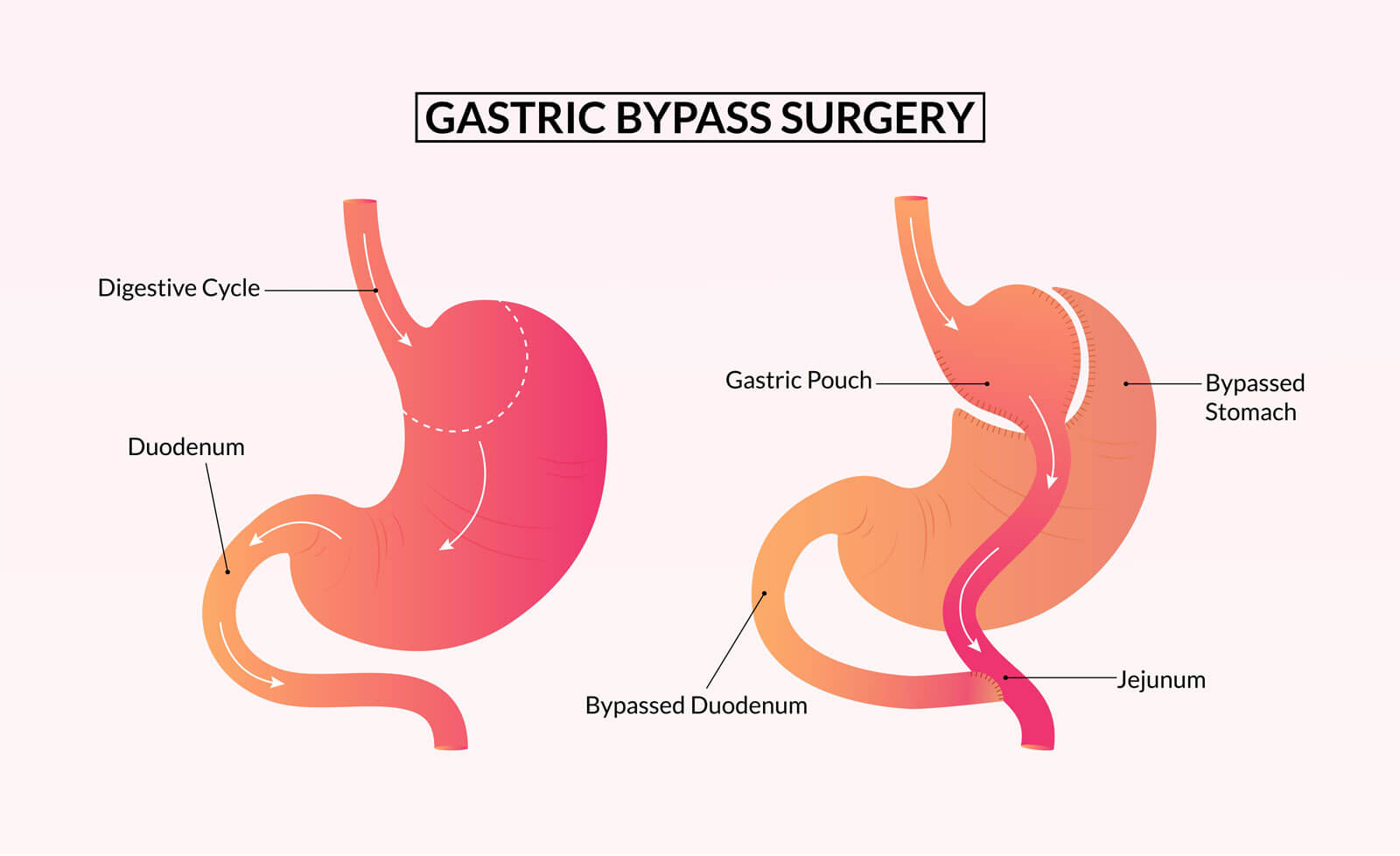
Gastric bypass surgery is a surgical procedure used to address obesity. This surgery aims to reduce the size of the stomach and reroute a portion of the intestines to promote weight loss. It is commonly considered for individuals with morbid obesity or obesity-related health issues. Gastric bypass surgery is designed to expedite the weight loss process and facilitate a healthier lifestyle.
What Are the Types of Gastric Bypass?
There are two primary types of gastric bypass surgery:
- Roux-en-Y Gastric Bypass: This is the most common form of gastric bypass. During the surgery, the stomach is reduced in size, and a portion is removed. Then, the intestines are rearranged, with a portion being bypassed. This reduces the amount of food consumed and caloric absorption.
- Mini Gastric Bypass: Mini gastric bypass is similar to Roux-en-Y gastric bypass but is a less invasive option. The stomach is reduced in size, and a portion of the intestines is bypassed. It has a shorter surgical duration and offers a quicker recovery.
How Does Gastric Bypass Surgery Work?
The process of gastric bypass surgery involves several stages:
- Preparation Period: Before the surgery, the patient undergoes a physical examination, blood tests, and other assessments. They also prepare for diet and lifestyle changes.
- Surgery: During the surgery, the surgeon reduces the size of the stomach and rearranges the intestines. This procedure is typically performed laparoscopically, which is minimally invasive.
- Recovery Period: Post-surgery, the patient may spend several days in the hospital. The recovery period can vary from person to person but usually takes a few weeks.
Who Is a Candidate for Gastric Bypass Surgery?
Gastric bypass surgery may be an option for individuals with the following conditions:
- Morbid Obesity: Individuals with a body mass index (BMI) of 40 or higher.
- Serious Obesity-Related Health Issues: Those experiencing severe health problems due to obesity.
- Failed Diet and Exercise Attempts: People who have been unsuccessful in losing weight through diet and exercise programs.
Who Is Not a Suitable Candidate for Gastric Bypass Surgery?
Gastric bypass surgery is not suitable for everyone. The following conditions may indicate that the surgery is not an option:
- Severe Acute Illness: Active infections or other serious health issues may require postponing the surgery.
- Psychological Problems: Serious psychological issues could negatively impact the outcomes of the surgery.
- Risks of the Surgery: Circumstances where the potential risks of the surgery outweigh the benefits for the individual.
Advantages of Getting Gastric Bypass Surgery in Turkey
Turkey is a leading destination for gastric bypass surgeries for various reasons:
- Expertise and Experience: Many hospitals and surgeons in Turkey have a high level of expertise and experience in obesity surgery.
- Affordability: Healthcare services in Turkey are often more cost-effective compared to other countries.
- Modern Facilities: Hospitals and medical facilities in Turkey are equipped with state-of-the-art technology.
- Tourist Destinations: After the surgery, you can recover in one of Turkey’s beautiful vacation spots.
Gastric bypass surgery can be an effective option for many individuals struggling with obesity. However, it’s essential to consult with a medical professional before considering such a procedure. Furthermore, adapting to lifestyle changes post-surgery is key to achieving success.