


Scoliosis Surgery
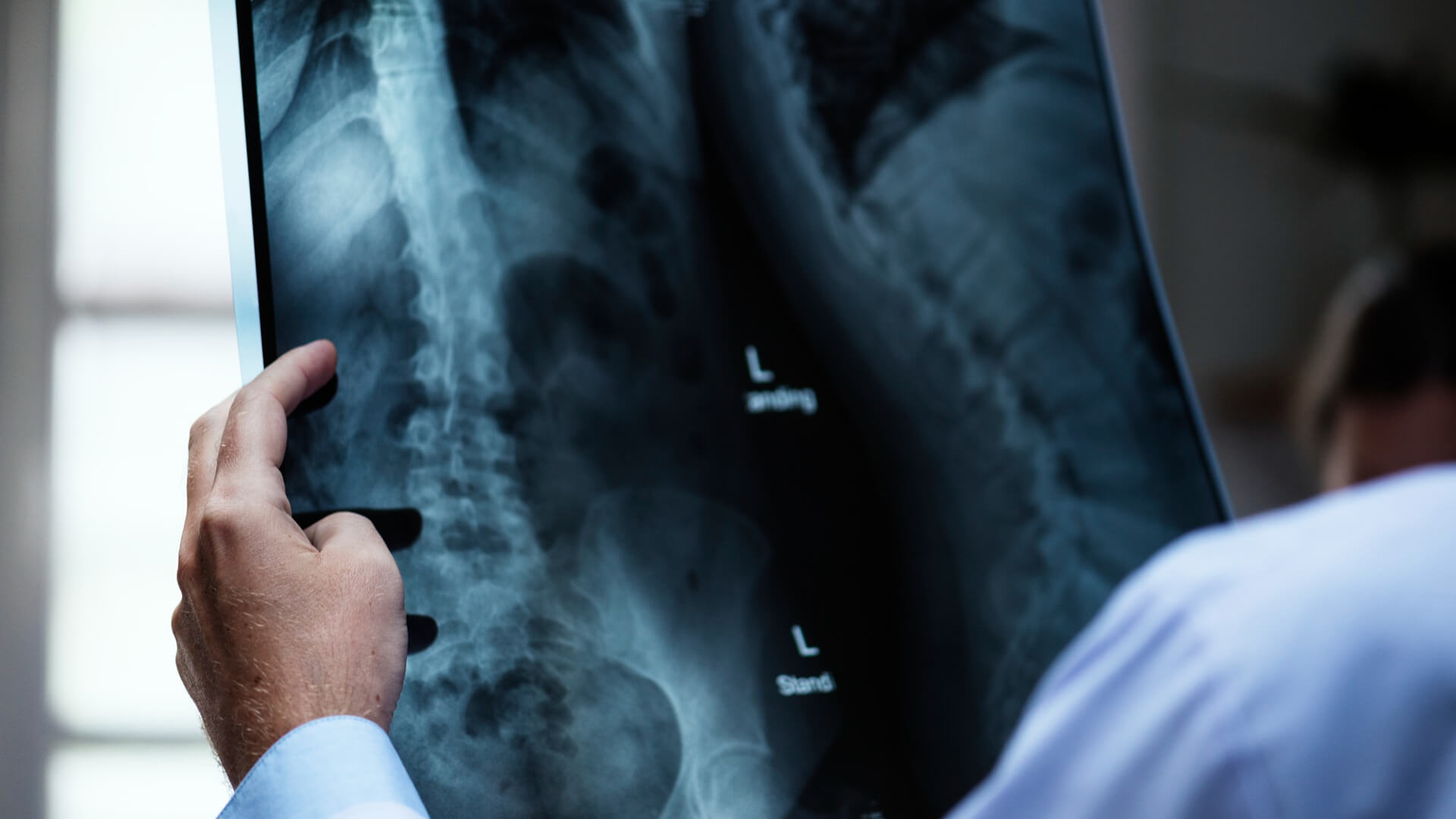
Surgical Treatment Of Scoliosis
Scoliosis surgery is an effective solution for aligning and stabilizing the spine. This surgical intervention can improve patients’ quality of life and prevent potential complications. During the procedure, expert surgeons use laparoscopic techniques to correct and stabilize the spine, bringing it into a healthy alignment. This reduces patients’ pain and enhances their mobility. Patients often ask questions such as “What is Scoliosis Surgery?”, “How Is Scoliosis Surgery Performed?”, and “What Are the Advantages of Scoliosis Surgery?
What Is Scoliosis Surgery?
Scoliosis surgery is a surgical procedure used in the treatment of scoliosis, a condition in which the spine has an abnormal curvature. This surgery aims to correct the spine and reduce the curvature. Scoliosis operations are performed to correct the spine deformity and improve the quality of life of the patient.
Scoliosis surgeries may vary depending on the degree of curvature of the spine, the age of the patient and the general health status. In the postoperative period, it is important to monitor patients regularly and follow surgical results.
The surgery decision is given by a specialist doctor depending on the severity of scoliosis and other factors. Scoliosis surgery can be an effective method for correcting the spine and increasing the quality of life of the patient. However, it is important to carefully evaluate the risks and benefits.
How To Perform Scoliosis Surgery?
Scoliosis surgery is a surgical procedure performed to correct abnormal curvature in the spine and ensure that the spine is aligned more smoothly. How the surgery is performed, the degree of curvature, the age of the patient, the condition of the spine and the other factors may vary. However, in general, it includes the following steps:
- Patient assessment: First of all, the patient’s scoliosis and general health status are evaluated. The status of the spine is examined by using x -ray images, MRI scans and other imaging methods.
- Anesthesia: General anesthesia is applied during surgery. In this way, the patient sleeps during the surgery and does not feel any pain or discomfort.
- Invements: Incidents are made to the spine area for surgical intervention. These incisions are usually done behind or next to the spine.
- Surgical intervention: Surgical procedures are performed for proper alignment of the spine. These procedures may include implants such as screws, rods or nails on the spine and the fusion of the spinal bones. The type of surgery may vary depending on the condition and needs of the patient.
- Spinal cord and nerve protection: During surgery, great care is taken to prevent any damage to the spinal cord or nerves. Therefore, the experience of the surgical team is critical at this stage.
- Closing: After surgery, incisions are closed by sewing or surgical bands .
- Postoperative care: Necessary care and treatments are applied in the hospital or at home to ensure that the patient recovers after surgery. This process may vary depending on the age of the patient, the general health status and the type of surgery.
Scoliosis surgery is a special procedure and requires the management of a specialist surgical team. The success of the surgery depends on the patient’s compliance with the postoperative rehabilitation program, regular follow -up and the experience of the surgical team. The most appropriate treatment plan for each patient is determined according to the individual needs of the patient and the curvature of the spine.
How Long Does Scoliosis Surgery Take?
The duration of scoliosis surgery may vary depending on many factors. These factors include the degree of scoliosis of the patient, the condition of the spine, the type of surgery, the techniques used by the surgical team and the general health status of the patient.
In general, the duration of a typical scoliosis surgery may vary between 4 and 8 hours. However, in more complex cases or in cases that require further corrections in the spine, the surgery time may be even longer. Particularly in young patients, considering the growth zones of the spinal bones, the surgical team determines the duration of the surgery considering these factors.
The healing process of the patient after surgery is as important as the duration of the surgery. Advisory to the postoperative rehabilitation program helps to improve the patient’s spine health and overall health status.
Will There Be a Scar After Scoliosis Surgery?
After the scoliosis surgery, whether the scar will remain, may vary depending on the type of surgery and the surgical techniques used. Modern surgical techniques used today and minimally invasive approaches aim to minimize scars.
Generally, the incisions performed in scoliosis surgeries are located at the back of the spine, and these incisions often leave less significant scars. In addition, in some surgical techniques, surgery can be performed with smaller incisions using endoscopic or laparoscopic methods, which can reduce scar formation.
However, the skin structure and healing process of each patient are different. In some patients, the surgery trail may be more pronounced, while others may have almost no scars. The experience of the surgical team, the techniques used and the compliance of the patient to postoperative care may also affect scar formation. Further information and expectation about surgery scar is recommended while the interview with your surgeon before surgery.
How Many Days Of Hospitalisation After Scoliosis Surgery?
After the scoliosis surgery, the duration of the hospital may vary depending on the type of surgery, the complexity of the surgery, the general health status of the patient and the postoperative healing rate.
Usually after scoliosis operations, patients may stay in the hospital between 3 and 7 days. However, in some cases it may be required for shorter or longer periods. The postoperative healing process may vary from patient to the patient, so the patient’s condition and the evaluation of the surgical team are effective in determining the duration of hospitalization.
After being discharged from the hospital , regular follow -up and checks ups may be required. Adaptation to the recommendations of the surgical team is important to support the postoperative recovery process.
What Are The Advantages Of Scoliosis Surgery?
- Spine correction: Surgery allows the correction of abnormal curves in the spine and ensures that the spine is more naturally aligned.
- Aesthetic healing: Surgical corrected spine curves can positively affect the patient’s posture and exterior appearance, thus aesthetic healing can be achieved.
- Pain reduction: Back and low back pain caused by scoliosis may be reduced or eliminated after surgery.
- Functional healing: The properly aligned spine can increase its mobility and facilitate daily life activities.
- Respiratory and Heart Function Heal: Surgical corrected spine can positively affect the lung and heart function and contribute to the better respiratory and circulatory systems.
- Increase quality of life: postoperatively corrected spine can improve the patient’s overall quality of life and reduce the feeling of pain and discomfort.
- Prevention of progress: Surgery performed to stop or slow the progression of scoliosis may prevent further deterioration of the spine.
What Are The Risks Of Scoliosis Surgery?
- Infection: As with each surgical intervention, there is a risk of postoperative infection.
- Bleeding: There is a risk of bleeding during or after surgery.
- Narcosis reactions: There may be allergic reactions to anesthesia or complications related to narcosis.
- Nerve damage: Damages that may affect the spinal cord or nerves may occur, even if it is rare.
- Complications of spine fusion: Problems with fusion (fusion) may arise after spine fusion surgeries.
- Curvature Correction Problems: The postoperative spine may not occur as desired.
- Pulmonary Problems: Respiratory problems may develop especially after large surgeries.
- Vascular and organ damage: Damage to blood vessels or internal organs during surgical intervention may occur.
- Healing Problems: Wound healing problems or delays may occur in bone healing.
- Aesthetic Problems: Aesthetic problems may occur as a result of correction of the postoperative spine.
What Should Be Considered After Scoliosis Surgery?
- Follow your doctor’s instructions: Strictly follow your doctor’s recommendations after surgery. Use the drugs regularly and do not miss your controls.
- Physical activity limitations: Avoid heavy physical activities for a certain period of time after surgery. You can start the mild exercises recommended by your doctor.
- Wound Care: Keep the areas with surgery incision clean and dry. Care according to your doctor’s instructions.
- Pain control: Postoperative pain is normal. Use the painkillers recommended by your doctor regularly.
- Nutrition: Pay attention to healthy diet. Try to choose a diet rich in protein, vitamins and minerals.
- Hygiene: Pay attention to good hygiene rules. Wash your hands frequently to reduce the risk of infection.
- Cigarette and alcohol: Avoid consumption of cigarettes and alcohol. These substances may adversely affect the healing process.
- Weight Control: Avoid excessive weight gain. Excess weight can bring extra load to your spine.
- Sleep order: Take care to sleep adequate and regularly. A good sleep can help the healing process.
- Emotional support: It is important to receive emotional support after surgery. Your family, friends or a support group can help you.
- Doctor checks: Do postoperative checks regularly. Follow your doctor’s recommandations.
Who Cannot Be Applied To Scoliosis Surgery?
Scoliosis surgery is not applicable to everyone and may not be recommended in some cases. The most appropriate candidates for scoliosis surgery are determined by doctors after a detailed assessment. The risks and benefits of the surgery are carefully decided. Since each patient is different, this decision requires a personalized approach.
- Those with serious health problems: surgery may be risky in patients with serious health problems such as heart, lung, kidney.
- High age: The risk of surgery may increase in elderly patients. With old age, the body may lose its healing capacity.
- Severe obesity: The risk of surgery may be higher in high -weight or obese individuals.
- Pregnancy: Scoliosis surgery is not recommended during pregnancy. The pregnancy process may affect healing.
- Psychological factors: It should be remembered that surgery is a physical and psychologically challenging process. Some psychological conditions can make surgery difficult.
- Some medical conditions: Medical conditions such as bleeding disorders, risk of infection, some immune problems can make surgery risk.
- The expected benefit of the surgery: If the curvature of the scoliosis is mild and the expected benefit of the surgery is low, the surgery may not be recommended.
- Patient’s Preference: The patient’s preferences and expectations for surgery are also evaluated.
How Old Should You Be At Least For Scoliosis Surgery?
There is no clear limit on the minimum age for scoliosis surgery, because the surgery decision may vary depending on the seriousness of the patient’s scoliosis, bone development and general health status. In general, however, it is more common to perform scoliosis surgery during childhood or adolescence (usually between the ages of 10-18).
Since bone development still continues during this period, it may be more effective to correct the deformities of the spine. The age of surgery may also affect the postoperative recovery process.
The severity of scoliosis should be adopted according to the age and health status of the patient.
Where İs The Scoliosis Surgery Done?
Where Is The Scoliosis Surgery Done?
Scoliosis surgeries are performed especially by specialized orthopedic surgeons or spinal surgeons. These surgeries are usually performed in large hospitals or surgical centers. If you want to have scoliosis surgery, you can follow the steps below:
- Doctor’s advice: The first step is to get advice from a doctor for the diagnosis and treatment of scoliosis. An orthopedic surgeon or spinal surgeon will evaluate the severity and the need for surgery.
- Surgeon selection: When you want to have scoliosis surgery, it is important to choose an experienced and specialist surgeon. Make sure the surgeon has successfully performed similar operations.
- Hospital or surgical center selection: Scoliosis surgeries are performed in large hospitals or special surgical centers. It is important to learn about the equipment and expertise of the facility where the surgery will take place.
- Insurance Status: Scoliosis surgeries can be met in part or completely by insurance companies. It is important to check whether your insurance company covers the expenses of the surgery.
- Preoperative Counseling: A detailed counseling will be performed with your surgeon before the surgery. At this stage, you will receive information about how the surgery will take place, the preparation process and the rehabilitation afterwards.
Scoliosis surgery can be performed with different techniques depending on the age of the patient, the severity of scoliosis and other factors. Your surgeon will give you more information about the process and consequences of the surgery.