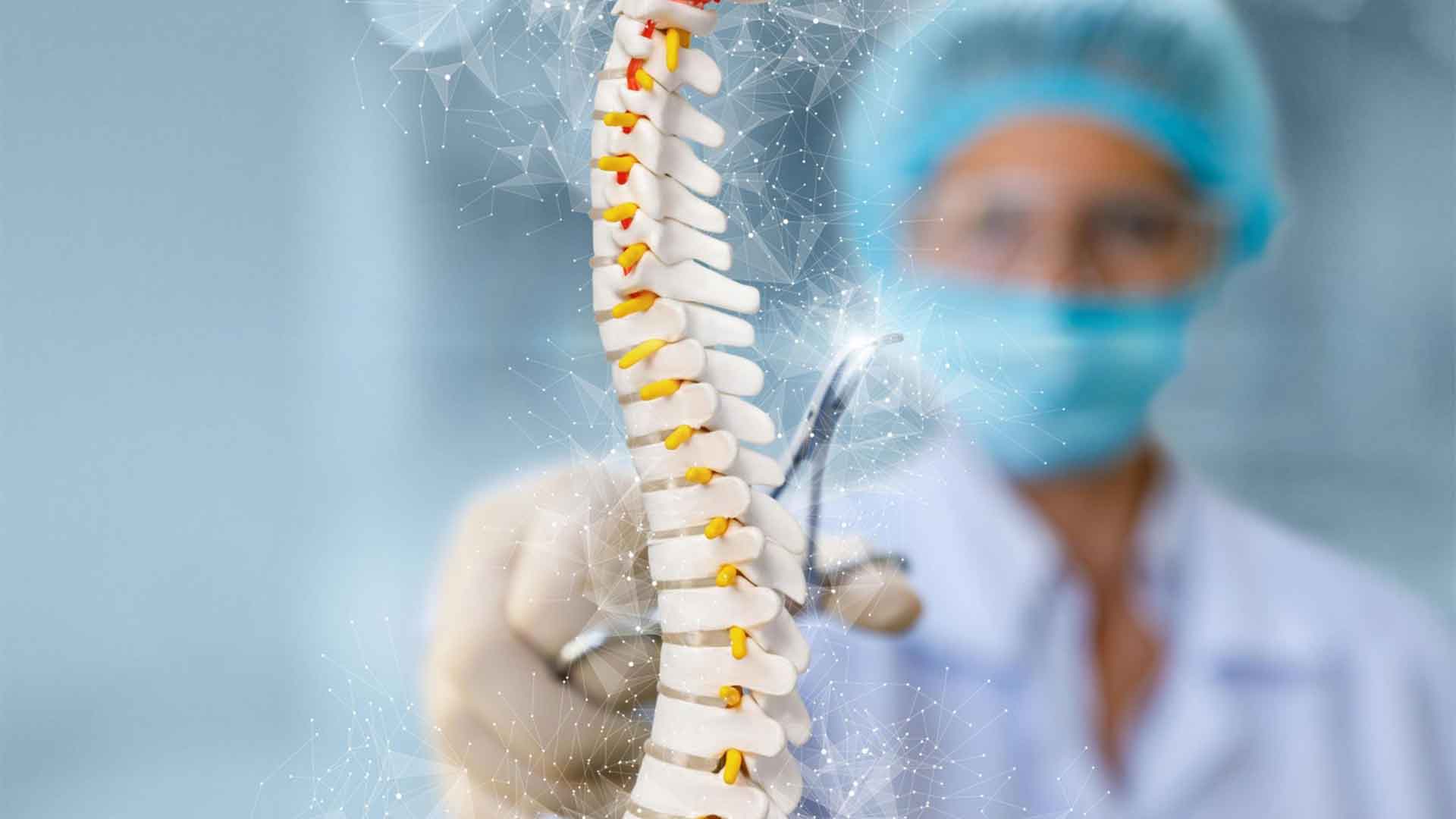
Scoliosis is defined as a lateral curvature of the spine. This condition can create a C or S-shaped curve along the spine. It often begins in adolescence and can progress over time. Treatment methods vary depending on the severity and cause of scoliosis. In mild cases, exercise and monitoring may suffice, while severe cases may require surgical intervention. Early diagnosis and treatment are important to minimize the effects of scoliosis. Patients often ask questions such as “What are the Symptoms of Scoliosis?”, “What are the Causes of Scoliosis?”, and “What are the Degrees of Scoliosis?
What is scoliosis (spine curvature)?
Scoliosis is a spine deformity where the spine is curved in three dimensions. It is formed as a result of the spine deviating from its normal natural curves. Scoliosis usually refers to curvature of S or C. This may cause the spine to bend to the right or left.
It often occurs in children and young people of growth age. However, the precise frequency of scoliosis may vary from country to country and population groups. In general, although mild scoliosis cases are frequently seen, more serious cases may be more rare.
What are the symptoms of scoliosis?
Symptoms of scoliosis may vary from person to person. It may vary depending on the degree of curvature, age and other factors. However, the following symptoms may indicate the presence of scoliosis:
- Not equal shoulders: One shoulder may look higher or protruding than the other.
- A significant chest asymmetry: The rib cage can push one side more, which can create a different chest shape.
- Significant hip asymmetry: One hip may look higher or protruding than the other.
- Body curvature: It can be seen that the back, waist or shoulders are curved.
- Asymmetry of clothes: An irregular sitting can be seen on one side of the clothes.
- Pain or discomfort: It can cause symptoms such as back pain.
- Fatigue: There may be a fast feeling of fatigue after long -term standing or sitting.
- Protrusion or curvature of the spine: A significant protrusion or curvature may occur at the advanced levels of scoliosis.
What are the causes of scoliosis?
The exact cause of scoliosis is not known, but some factors may contribute to the development of scoliosis. These factors may be:
- Unknown Causes: The cause of many cases of scoliosis is not clear. Such scolioses are called “idiopathic scoliosis”.
- Genetic factors: Family history can increase the risk of scoliosis. Genes may affect their predisposition to the development of scoliosis.
- Body growth and development: Scoliosis can usually occur during rapid growth periods during adolescence. Fast growth can trigger the curvature by pressure on the spine.
- Muscle imbalances: Weak or unbalanced muscles may disrupt the balance of the spine and increase the risk of scoliosis.
- Congenital situational factors: Some people are born by innate spine shapes or deformities. This may increase the risk of scoliosis.
- Neuromuscular conditions: Neuromuscular diseases can increase the risk of scoliosis by affecting muscle and nerve functions.
- Spine injuries or infections: spine injuries or infections can affect the spine structure and cause the development of scoliosis.
- Rheumatic conditions: Some rheumatic diseases may also increase the risk of scoliosis.
What are the scoliosis types?
Scholyosis varieties may vary according to, cause and shape instead of the curvature of the spine. Here are some basic scoliosis types:
- Idiopathic scoliosis: The most common type of scoliosis . It can start after the age of six and can progress rapidly during adolescence.
- Congenital scoliosis: It occurs due to congenital spine anomalies. It occurs as a result of abnormalities in the development stages of the spine.
- Neuromuscular scoliosis: It is a scoliosis caused by neuromuscular diseases (such as cerebral palsy, muscular dystrophy). It occurs as a result of muscle weakness and lack of control.
- Degenerative scoliosis: With old age, the discs and bones of the spine weaken, which can lead to spine curvature.
- Stopsal scoliosis: Scholyosis caused by bad posture habits. It may develop as a result of long -term false posture positions.
- Rheumatoid scoliosis: It is a scoliosis caused by rheumatic diseases such as rheumatoid arthritis.
- Horizontal scoliosis: A type of scoliosis in which the spine is curved in the lateral (side -by -side) direction. It is usually seen that the back is inclined aside.
- Scholyosis after surgery: Scholyosis that develops after spine surgery. It may be caused by the unbalanced of the spine after surgical intervention.
What are the Scholyosis Diagnostic Methods?
Various methods are used to diagnose scoliosis. Using these diagnostic methods together, the type, severity and underlying causes of the patient’s scoliosis can be better understood. Here are some methods commonly used for the diagnosis of scoliosis:
- Visual examination: A specialist health professional can begin by observing the patient’s posture and spine curvature. During this examination, the height difference of the shoulders, signs such as significant rib protrusions are considered.
- Skociometry (scoliosis measurement): Experts can measure the spine curvature with a special device or tools called scoliometer. This measurement helps to determine the curvature and degree of the spine.
- X -ray images: The most accurate scoliosis diagnosis is made with x -ray images. The front and side appearances are used to determine the curvature, shape and degree of the spine.
- Imaging methods: imaging methods such as MRI (Magnetic Resonance Imaging) or CT scanning can be used to identify the underlying causes of scoliosis or to make a more detailed assessment.
- Patient story: The medical history of patient or family members is examined to learn more about the cause and type of scoliosis.
- Posture Analysis: It is a method used to evaluate the spine curvature while the patient stands or moves.
What are the degrees of scoliosis?
The degrees of the scoliosis are determined depending on the angle of curvature of the spine. Rating is usually made by a measurement method called COBB angle. The degree of scoliosis may vary depending on the age, gender, shape of the spine and health. Treatment methods and approaches are customized according to the degree of curvature in the spine and the characteristics of the patient. Here are the degrees of scoliosis:
- Light (10-25 degrees): The curvature angle of the scoliosis is usually between 10 and 25 degrees. Scoliosis at this level is often not visually noticeable and may require regular follow -up.
- Middle (25-40 degrees): The curvature angle in moderate scoliosis can be between 25 and 40 degrees. At this stage, the curvature of the spine becomes more pronounced. Physical and imaging tests provide more details.
- Heavy (40-50 degrees): The angle of curvature in heavy scoliosis may be between 40 and 50 degrees. At this stage, the curvature of the spine becomes more pronounced by the eye and the skin protrusions or deformities may occur.
- Very heavy (more than 50 degrees): The angle of curvature in very heavy scoliosis is usually more than 50 degrees. This may cause significant deformities, asymmetry of the shoulders and other physical problems in the spine. The need for treatment becomes more critical at this stage.
What are the scoliosis treatment steps?
The treatment steps of scoliosis are customized according to the age of the patient, the degree of curvature, the growth status and the general health status. Early diagnosis and treatment is important to keep the curvature in the spine under control and to prevent its progression. The treatment plan should be determined by the specialist doctor according to the patient’s condition. Here are the scoliosis treatment steps in general:
- Monitoring and evaluation: Early diagnosis of scoliosis is important. The doctor may use physical examination, family history, radiography, and other imaging methods if necessary to assess the patient’s condition.
- Conservative Treatment: Conservative treatment methods can be used in mild and moderate scoliosis cases. These methods may include:
- Physical Therapy: Exercises to strengthen the supportive muscles of the spine and increase flexibility.
- Corset Therapy: Specially designed corsets can be used to prevent the progression of curvature in children in growth period.
- Surgical intervention: Surgical intervention may be considered if the degree of curvature is heavy or very severe and other treatment methods do not result. The surgery aims to correct the curvature of the spine and to balance the spine. Surgical options include surgical procedures such as fusion of the spine to correct scoliosis.
Which health problems can cause scoliosis if left untreated?
If scoliosis is not treated, the progression and worsening of the curvature in the spine may cause various health problems. Here are some of these possible health problems:
- Aesthetic problems: In case of progressive scoliosis, significant deformities may occur in the spine. This can cause aesthetic problems by affecting one’s posture and body symmetry.
- Pain and discomfort: The curvature of the spine can lead to pain, tension and discomfort in the back and waist area. These pains may increase over time and affect daily life negatively.
- Respiratory problems: Respiratory problems may develop as a result of the spine pressure on the rib cage as scoliosis progresses. This may reduce lung capacity and may have difficulty in breathing.
- Heart Problems: Great curvatures in the spine may affect the normal function of the heart. In particular, the pressure of the rib cage may affect heartbeats and circulation and cause the heart problems.
- Psychosocial Effects: The visual effects and pain of scoliosis may adversely affect the self -confidence and psychosocial health of patients. Problems with body image, social isolation and emotional difficulties may develop.
- Functional Restrictions: Advanced scoliosis may restrict the ability to perform physical activity. This can lead to difficulty of daily life activities and sports.